

At Foundation Pump Services, we specialize in delivering comprehensive pump repair solutions tailored to meet the needs of both commercial and domestic clients across Perth.
FAQ's
–
Frequently Asked Questions
Commonly asked Questions,
Every Time
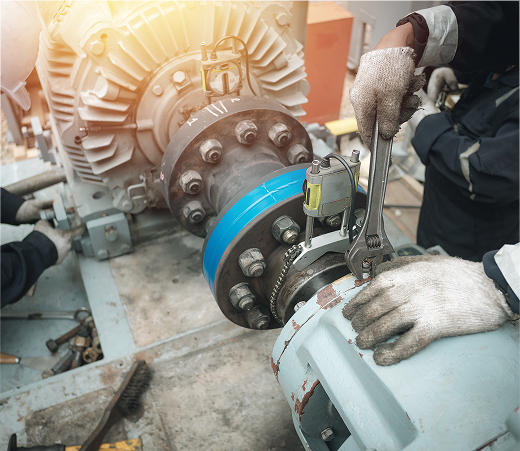 Submersible pumps are among the most common and cost-effective pumps in general use. The pumps have a hermetically sealed motor close-coupled to the pump body and the whole assembly is submerged in the fluid to be pumped.
The main advantage of submersible pumps is that they prevent pump cavitation, a problem associated with a high elevation difference between pump and the fluid surface, they don’t require priming and they are out of sight and by definition don’t take up space.
Submersible pumps push fluid to the surface as opposed to equivalent surface mounted pumps such as jet pumps that have to lift fluids (self-prime). Submersibles are more efficient than self-priming pumps. A submersible pump has the task of driving water from the bore to the surface, forcing it through water pipes and then out through sprinkler nozzles. This work can be mathematically expressed in metres and in the world of pumps is referred to as head. A submersible pump will continue to pump more and more water until a balance is reached between the head asked of it and the head it can generate. This point is known as its duty point.
By calculating the duty point of a pump, we can calculate its output which will then determine whether the pump will work efficiently, inefficiently or cavitate and damage itself in any given application. This information can also be used to calculate the number of sprinklers a system can run and the correct selection of pipe sizes when designing a reticulation system. Whether it is a small domestic garden or semi-rural application, the perfect pump exists for the task!
Minimal maintenance is required to keep a submersible pump in good working order. They are generally installed and left untouched for years. Some owners recommend turning the pump on, at least once a month during the winter but apart from that, maintenance is directed towards the system into which they are installed.
Common causes of submersible pump failure are solenoid valves failing to open, reticulation controllers not electrically suited for the task, bores that are over pumped or the selection of the wrong electrical-control components. In essence, pump maintenance is really about maintaining the reticulation system into which the pump was installed and being alert to abnormalities as they arise. Investigating the cause of water hammer when it is first heard or that first dry patch in the garden will usually circumvent more serious problems involving the pump.
It is also important to employ tradesmen who have experience in the industry and are familiar with the working and installation of submersible pump systems.
Submersible pumps are among the most common and cost-effective pumps in general use. The pumps have a hermetically sealed motor close-coupled to the pump body and the whole assembly is submerged in the fluid to be pumped.
The main advantage of submersible pumps is that they prevent pump cavitation, a problem associated with a high elevation difference between pump and the fluid surface, they don’t require priming and they are out of sight and by definition don’t take up space.
Submersible pumps push fluid to the surface as opposed to equivalent surface mounted pumps such as jet pumps that have to lift fluids (self-prime). Submersibles are more efficient than self-priming pumps. A submersible pump has the task of driving water from the bore to the surface, forcing it through water pipes and then out through sprinkler nozzles. This work can be mathematically expressed in metres and in the world of pumps is referred to as head. A submersible pump will continue to pump more and more water until a balance is reached between the head asked of it and the head it can generate. This point is known as its duty point.
By calculating the duty point of a pump, we can calculate its output which will then determine whether the pump will work efficiently, inefficiently or cavitate and damage itself in any given application. This information can also be used to calculate the number of sprinklers a system can run and the correct selection of pipe sizes when designing a reticulation system. Whether it is a small domestic garden or semi-rural application, the perfect pump exists for the task!
Minimal maintenance is required to keep a submersible pump in good working order. They are generally installed and left untouched for years. Some owners recommend turning the pump on, at least once a month during the winter but apart from that, maintenance is directed towards the system into which they are installed.
Common causes of submersible pump failure are solenoid valves failing to open, reticulation controllers not electrically suited for the task, bores that are over pumped or the selection of the wrong electrical-control components. In essence, pump maintenance is really about maintaining the reticulation system into which the pump was installed and being alert to abnormalities as they arise. Investigating the cause of water hammer when it is first heard or that first dry patch in the garden will usually circumvent more serious problems involving the pump.
It is also important to employ tradesmen who have experience in the industry and are familiar with the working and installation of submersible pump systems.
Submersible pumps are among the most common and cost-effective pumps in general use. The pumps have a hermetically sealed motor close-coupled to the pump body and the whole assembly is submerged in the fluid to be pumped.
The main advantage of submersible pumps is that they prevent pump cavitation, a problem associated with a high elevation difference between pump and the fluid surface, they don’t require priming and they are out of sight and by definition don’t take up space.
Submersible pumps push fluid to the surface as opposed to equivalent surface mounted pumps such as jet pumps that have to lift fluids (self-prime). Submersibles are more efficient than self-priming pumps. A submersible pump has the task of driving water from the bore to the surface, forcing it through water pipes and then out through sprinkler nozzles. This work can be mathematically expressed in metres and in the world of pumps is referred to as head. A submersible pump will continue to pump more and more water until a balance is reached between the head asked of it and the head it can generate. This point is known as its duty point.
By calculating the duty point of a pump, we can calculate its output which will then determine whether the pump will work efficiently, inefficiently or cavitate and damage itself in any given application. This information can also be used to calculate the number of sprinklers a system can run and the correct selection of pipe sizes when designing a reticulation system. Whether it is a small domestic garden or semi-rural application, the perfect pump exists for the task!
Minimal maintenance is required to keep a submersible pump in good working order. They are generally installed and left untouched for years. Some owners recommend turning the pump on, at least once a month during the winter but apart from that, maintenance is directed towards the system into which they are installed.
Common causes of submersible pump failure are solenoid valves failing to open, reticulation controllers not electrically suited for the task, bores that are over pumped or the selection of the wrong electrical-control components. In essence, pump maintenance is really about maintaining the reticulation system into which the pump was installed and being alert to abnormalities as they arise. Investigating the cause of water hammer when it is first heard or that first dry patch in the garden will usually circumvent more serious problems involving the pump.
It is also important to employ tradesmen who have experience in the industry and are familiar with the working and installation of submersible pump systems.
Submersible pumps are among the most common and cost-effective pumps in general use. The pumps have a hermetically sealed motor close-coupled to the pump body and the whole assembly is submerged in the fluid to be pumped.
The main advantage of submersible pumps is that they prevent pump cavitation, a problem associated with a high elevation difference between pump and the fluid surface, they don’t require priming and they are out of sight and by definition don’t take up space.
Submersible pumps push fluid to the surface as opposed to equivalent surface mounted pumps such as jet pumps that have to lift fluids (self-prime). Submersibles are more efficient than self-priming pumps. A submersible pump has the task of driving water from the bore to the surface, forcing it through water pipes and then out through sprinkler nozzles. This work can be mathematically expressed in metres and in the world of pumps is referred to as head. A submersible pump will continue to pump more and more water until a balance is reached between the head asked of it and the head it can generate. This point is known as its duty point.
By calculating the duty point of a pump, we can calculate its output which will then determine whether the pump will work efficiently, inefficiently or cavitate and damage itself in any given application. This information can also be used to calculate the number of sprinklers a system can run and the correct selection of pipe sizes when designing a reticulation system. Whether it is a small domestic garden or semi-rural application, the perfect pump exists for the task!
Minimal maintenance is required to keep a submersible pump in good working order. They are generally installed and left untouched for years. Some owners recommend turning the pump on, at least once a month during the winter but apart from that, maintenance is directed towards the system into which they are installed.
Common causes of submersible pump failure are solenoid valves failing to open, reticulation controllers not electrically suited for the task, bores that are over pumped or the selection of the wrong electrical-control components. In essence, pump maintenance is really about maintaining the reticulation system into which the pump was installed and being alert to abnormalities as they arise. Investigating the cause of water hammer when it is first heard or that first dry patch in the garden will usually circumvent more serious problems involving the pump.
It is also important to employ tradesmen who have experience in the industry and are familiar with the working and installation of submersible pump systems.
Submersible pumps are among the most common and cost-effective pumps in general use. The pumps have a hermetically sealed motor close-coupled to the pump body and the whole assembly is submerged in the fluid to be pumped.
The main advantage of submersible pumps is that they prevent pump cavitation, a problem associated with a high elevation difference between pump and the fluid surface, they don’t require priming and they are out of sight and by definition don’t take up space.
Submersible pumps push fluid to the surface as opposed to equivalent surface mounted pumps such as jet pumps that have to lift fluids (self-prime). Submersibles are more efficient than self-priming pumps. A submersible pump has the task of driving water from the bore to the surface, forcing it through water pipes and then out through sprinkler nozzles. This work can be mathematically expressed in metres and in the world of pumps is referred to as head. A submersible pump will continue to pump more and more water until a balance is reached between the head asked of it and the head it can generate. This point is known as its duty point.
By calculating the duty point of a pump, we can calculate its output which will then determine whether the pump will work efficiently, inefficiently or cavitate and damage itself in any given application. This information can also be used to calculate the number of sprinklers a system can run and the correct selection of pipe sizes when designing a reticulation system. Whether it is a small domestic garden or semi-rural application, the perfect pump exists for the task!
Minimal maintenance is required to keep a submersible pump in good working order. They are generally installed and left untouched for years. Some owners recommend turning the pump on, at least once a month during the winter but apart from that, maintenance is directed towards the system into which they are installed.
Common causes of submersible pump failure are solenoid valves failing to open, reticulation controllers not electrically suited for the task, bores that are over pumped or the selection of the wrong electrical-control components. In essence, pump maintenance is really about maintaining the reticulation system into which the pump was installed and being alert to abnormalities as they arise. Investigating the cause of water hammer when it is first heard or that first dry patch in the garden will usually circumvent more serious problems involving the pump.
It is also important to employ tradesmen who have experience in the industry and are familiar with the working and installation of submersible pump systems.
Submersible pumps are among the most common and cost-effective pumps in general use. The pumps have a hermetically sealed motor close-coupled to the pump body and the whole assembly is submerged in the fluid to be pumped.
The main advantage of submersible pumps is that they prevent pump cavitation, a problem associated with a high elevation difference between pump and the fluid surface, they don’t require priming and they are out of sight and by definition don’t take up space.
Submersible pumps push fluid to the surface as opposed to equivalent surface mounted pumps such as jet pumps that have to lift fluids (self-prime). Submersibles are more efficient than self-priming pumps. A submersible pump has the task of driving water from the bore to the surface, forcing it through water pipes and then out through sprinkler nozzles. This work can be mathematically expressed in metres and in the world of pumps is referred to as head. A submersible pump will continue to pump more and more water until a balance is reached between the head asked of it and the head it can generate. This point is known as its duty point.
By calculating the duty point of a pump, we can calculate its output which will then determine whether the pump will work efficiently, inefficiently or cavitate and damage itself in any given application. This information can also be used to calculate the number of sprinklers a system can run and the correct selection of pipe sizes when designing a reticulation system. Whether it is a small domestic garden or semi-rural application, the perfect pump exists for the task!
Minimal maintenance is required to keep a submersible pump in good working order. They are generally installed and left untouched for years. Some owners recommend turning the pump on, at least once a month during the winter but apart from that, maintenance is directed towards the system into which they are installed.
Common causes of submersible pump failure are solenoid valves failing to open, reticulation controllers not electrically suited for the task, bores that are over pumped or the selection of the wrong electrical-control components. In essence, pump maintenance is really about maintaining the reticulation system into which the pump was installed and being alert to abnormalities as they arise. Investigating the cause of water hammer when it is first heard or that first dry patch in the garden will usually circumvent more serious problems involving the pump.
It is also important to employ tradesmen who have experience in the industry and are familiar with the working and installation of submersible pump systems.
Do you need help with Home, Business or Industrial pumps or Pool pumps?
We do inspections and/or repairs
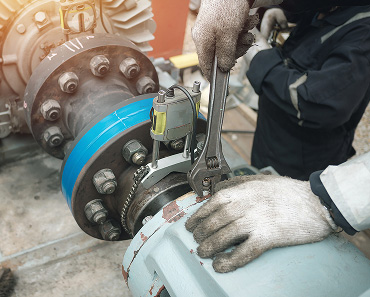
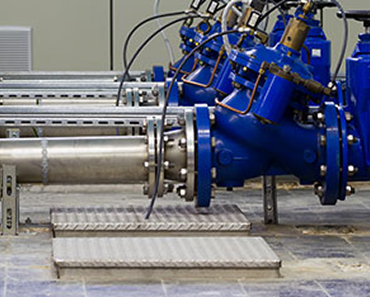
With an experienced team of staff at our disposal, we are able to tackle all your repair and maintenance jobs quickly, professionally and efficiently. From all repairs and servicing, we are one call or email away.

Contact Foundation Pump Services for all your
pump extraction and installation requirements
Chat With Us
Visit Us